Fix Instagram and Facebook Media Fetch
How to fix Instagram's 'media could not be fetched from this URI', 'only photo or video accepted', and Facebook's 403 robots.txt errors.

How to fix Instagram's 'media could not be fetched from this URI', 'only photo or video accepted', and Facebook's 403 robots.txt errors.
Schedule social media posts via API using timed publishing and queue-based scheduling. Code examples for both approaches with Postproxy.
How to manage Instagram and Facebook comments programmatically — list, reply, delete, hide, like, and moderate comments across platforms with a single API.
How to build a social media SaaS: multi-tenant data models, OAuth delegation, scheduled publishing, webhooks, and using a publishing API instead of eight.
Build a social media aggregator API pulling feeds from Instagram, X, LinkedIn, TikTok, YouTube, and Facebook into one view, paired with publishing.
Build social media monitoring and brand listening via API: native search endpoints, the monitoring tool landscape, and closing the loop to automated publishing.
The best MCP servers in 2026 across dev tools, databases, search, productivity, cloud, and social media — what each does and when to use it.
Guide to the Facebook Graph API for Page publishing — permissions, token lifecycle, posts, photos, videos, Reels, rate limits, and app review.
Instagram Reels API: container creation, video specs, cover images, audio limits, and common errors. Step-by-step with Meta's Content Publishing API.
What each X API tier costs in 2026, what you get, and where the limits hit. Pay-per-use, legacy Basic, Pro, and Enterprise broken down.
Upload videos and Shorts to YouTube via API: OAuth setup, resumable uploads, quota limits, and code examples in Python and Node.js.
Stripe abstracted away payment infrastructure complexity. PostProxy does the same for social media publishing — one API, every platform, no OAuth nightmares.
Supabase gave developers backend building blocks to stop reinventing infrastructure. Postproxy does the same for social media — composable API primitives.
Ayrshare vs Postproxy compared: pricing, platform coverage, API design, multi-tenant support, and failure handling for developers building social media tools.
Threads API guide: access tiers, content types, reply chains, rate limits, and how to publish programmatically. With working code examples.
Pull social media analytics via API: engagement metrics from Instagram, X, LinkedIn, TikTok, and YouTube — what each platform exposes and how to normalize it.
White label social media management via API: profile isolation, branded OAuth, scheduling UIs, and the architecture for agencies to resell social publishing.
Rate limits, media specs, text limits, and auth quirks for every major social media API in one reference. Updated for 2026.
What breaks when you automate TikTok posting across multiple accounts — token expiry, daily limits, content moderation, and scaling the Content Posting API.
Publish to LinkedIn company pages via API: approval process, OAuth scopes, posting limits, rate limits, and what makes LinkedIn API automation tricky.
Automate Pinterest publishing via API: pin creation, board management, product pins, and why Pinterest's search-driven traffic suits automated workflows.
Build automated social media posting workflows in n8n — scheduling, AI content generation, multi-platform publishing, and connecting to a publishing API.
Connect AI agents to social media publishing with an MCP server. Covers MCP setup, agent workflows, and why AI-native social media automation is taking off.
Comparison of social media scheduling APIs — Postproxy, Ayrshare, Late, Post for Me, Outstand, and RobinReach — pricing, platforms, and developer experience.
Three approaches to posting the same content to multiple social platforms — and why the approach you pick determines how much infrastructure you end up owning.
How to publish to Instagram programmatically: Graph API setup, app review, page linking, and a faster alternative. Working code included.
TikTok Content Posting API: app audit, video uploads, publish flow, and how to automate TikTok posts without building the integration yourself.
Developer guide to social media publishing APIs: the fragmented landscape, authentication, media handling, and how unified APIs solve the integration problem.
Hootsuite's API requires enterprise pricing and complex approvals. Here's why developers are switching to lightweight social media publishing APIs.
What MCP is, how social media MCP servers work, and why Model Context Protocol matters for AI-native publishing. A guide for developers building AI agents.
Why teams are switching from dashboards to API-first social media publishing — AI agents, automation platforms, headless architectures, and dev-led marketing.
Prompt LLMs to generate platform-specific social media content — tailored threads for X, hashtag captions for Instagram, and professional posts for LinkedIn.
Buffer shut down its API in 2019. Here's what happened, why it matters, and the best Buffer API alternatives for developers building social media integrations.
Design patterns for content approval workflows in automated social media publishing: draft queues, approval APIs, Slack notifications, and expiry rules.
Build a social media dashboard with React and Postproxy — post creation, account selection, status tracking, and publish logs in a custom publishing UI.

Architecture for managing 50+ social media accounts: profile groups, per-brand credentials, isolated failure domains, and publishing workflows at scale.
Automate product launch announcements across Instagram, TikTok, and Facebook. Covers catalog integration, dynamic content generation, and API-based publishing.
The true cost of building social media publishing in-house — OAuth, media uploads, error handling, API changes — versus one integration with a unified API.
Social media publishing tools for developers: what engineers need (API access, webhooks, logs, error handling) vs what marketer-focused tools offer.
Social media APIs vs management tools: when to use a dashboard (Buffer, Hootsuite) versus an API for automated publishing — and where the line is.
Webhooks vs polling for social media post status: compare real-time webhook updates with polling approaches, including pros, cons, and platform support.
Auto-publish social posts when a blog goes live. RSS polling, per-platform formatting, link previews, and API publishing to X, LinkedIn, and Threads.
How to avoid duplicate social media posts from retries and network failures — idempotency keys, deduplication strategies, and safe-to-retry publishing.
Understanding OAuth, boards, pin creation, video uploads, and API endpoints for Pinterest content publishing.
Schedule social media posts programmatically with cron and an API. The simplest automated publishing setup for developers new to social media automation.
Auto-publish social posts from your headless CMS. Trigger social media publishing from Contentful, Sanity, or Strapi via webhooks and a unified publishing API.
Add social media publishing to your SaaS: API design, account connection UX, multi-tenant auth, and why a unified publishing API beats building it yourself.
AI content pipeline architecture: LLM generates social posts, a review layer approves, and a publishing API delivers to every platform. Prompt to live post.
Publish video to every social platform via API — encoding, upload flows, processing checks, and thumbnails across all eight platforms in one reference.
A step-by-step walkthrough of building a complete content-to-publish pipeline in n8n using Postproxy.
How to publish carousel posts via API across Instagram, LinkedIn, and Threads — each platform's container model and how to normalize them in one workflow.
Instagram Reels vs TikTok vs YouTube Shorts API comparison — aspect ratios, duration limits, thumbnail handling, and publishing requirements for each platform.
Side-by-side breakdown of OAuth implementations across all eight platforms — token lifetimes, refresh mechanics, required scopes, and common pitfalls.
How to publish the same content to X, Instagram, Facebook, LinkedIn, Threads, TikTok, and YouTube through their APIs — and what makes it harder than it looks.
How each social media platform handles media uploads differently — chunked, container, resumable, pull-from-URL — and what it takes to support all of them.
Understanding OAuth authentication, the chunked media upload flow, and API endpoints for posting to X.
Understanding permissions, the container model, carousels, topic tags, and API endpoints for Threads content publishing.
Understanding permissions, app review, video uploads, and API endpoints for Facebook Page publishing.
Why automation should be designed to finish with publishing, not stop right before it
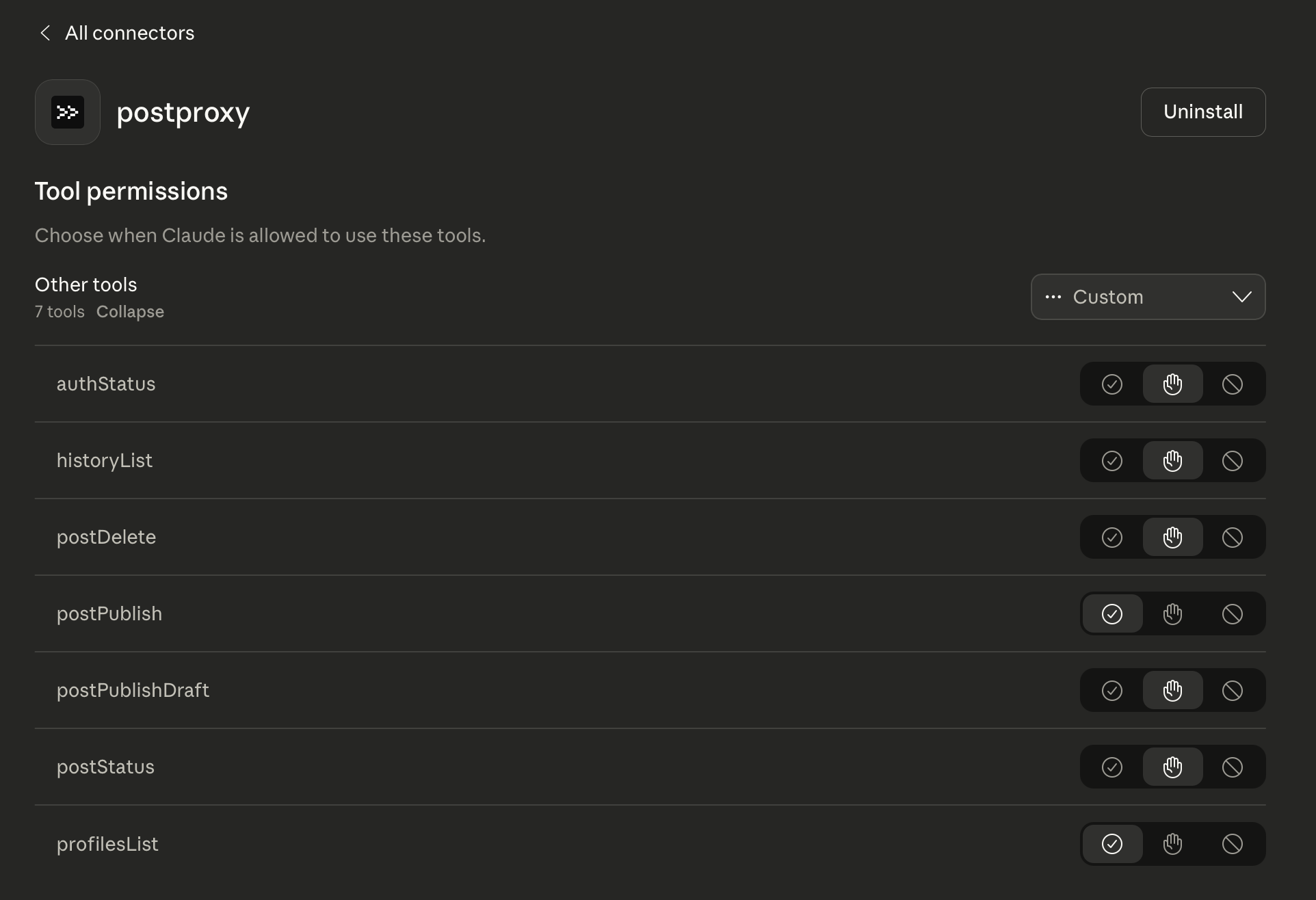
Why we built a remote MCP server for Postproxy, and how it changes what AI agents can do without infrastructure overhead.
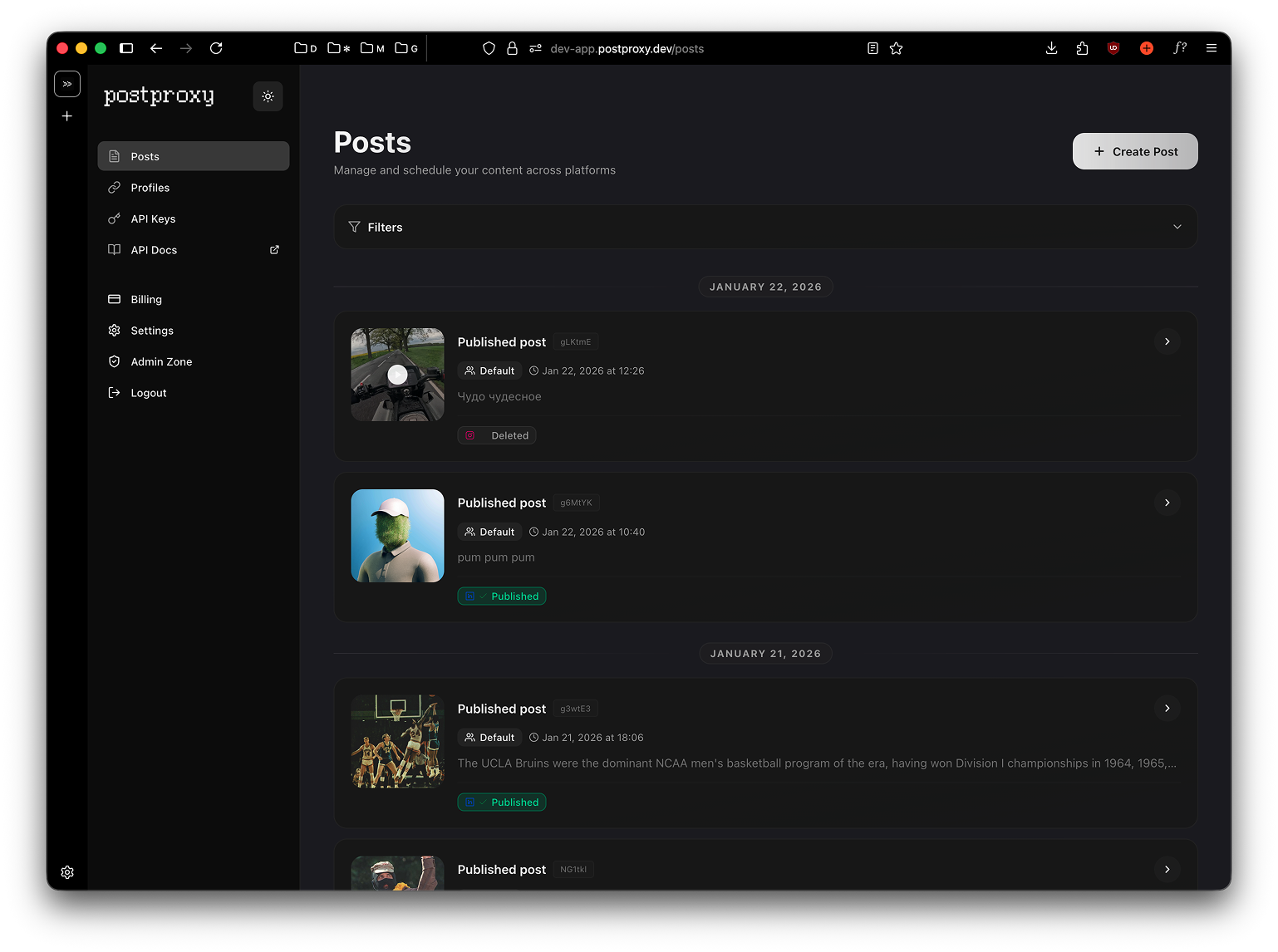
How reworked post creation, drafts, and review flows improve automated social media publishing.
Why automated social media publishing improves reliability, focus, and productivity.
Why retrying failed publishing requests is a product decision, not a technical toggle.
Why multi-platform publishing rarely succeeds everywhere at once — and why systems must be built for that.
Why infrastructure-based publishing wins over tools like Hootsuite and Buffer in automated workflows.
Why human involvement should be modeled explicitly in automated publishing systems.
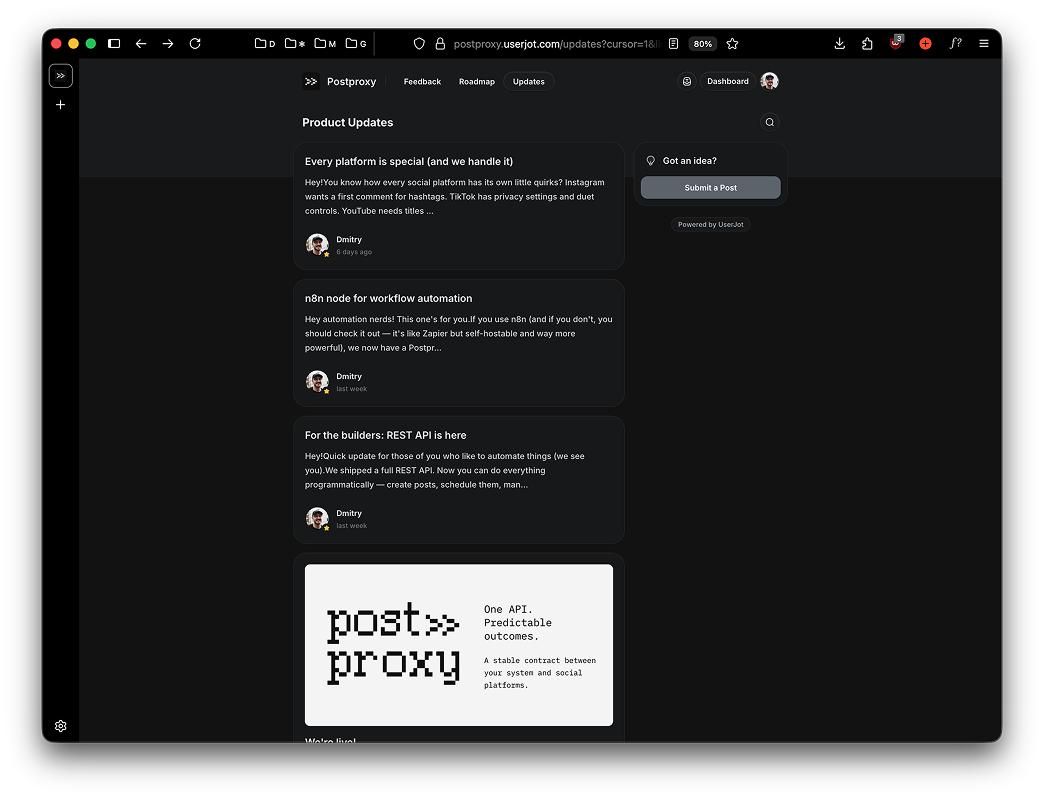
Why we set up a public changelog, roadmap, and a place for feedback.
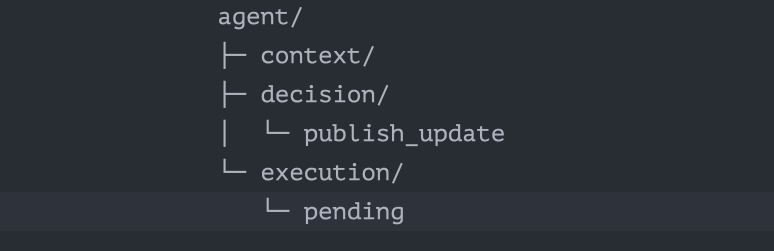
Why publishing is the hardest part of agentic systems — and where most automations quietly break.
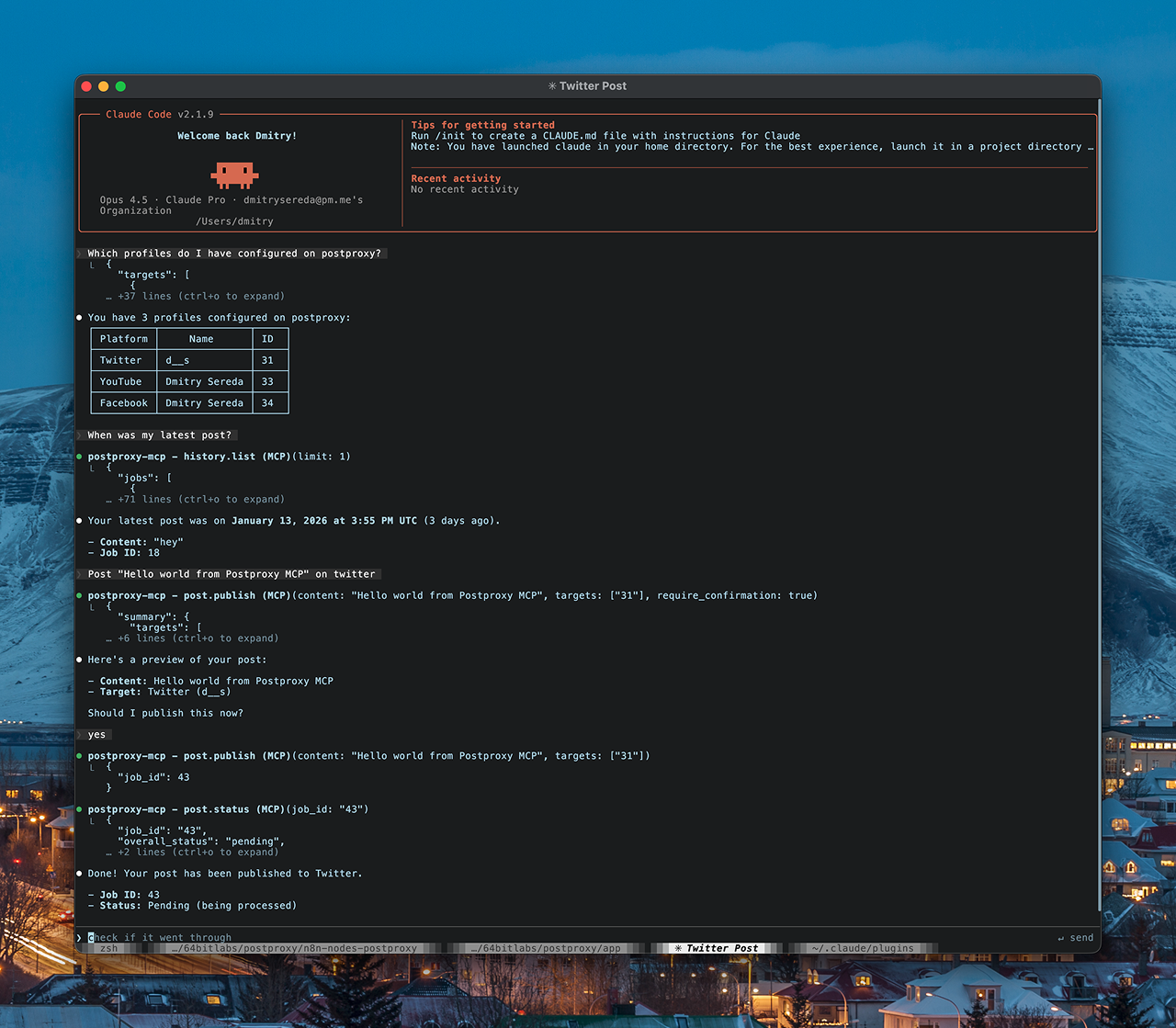
Why we built an MCP server for Postproxy, and why publishing shouldn’t require leaving your flow.

Why publishing shouldn’t require staring at a screen — and why systems should do it for you.
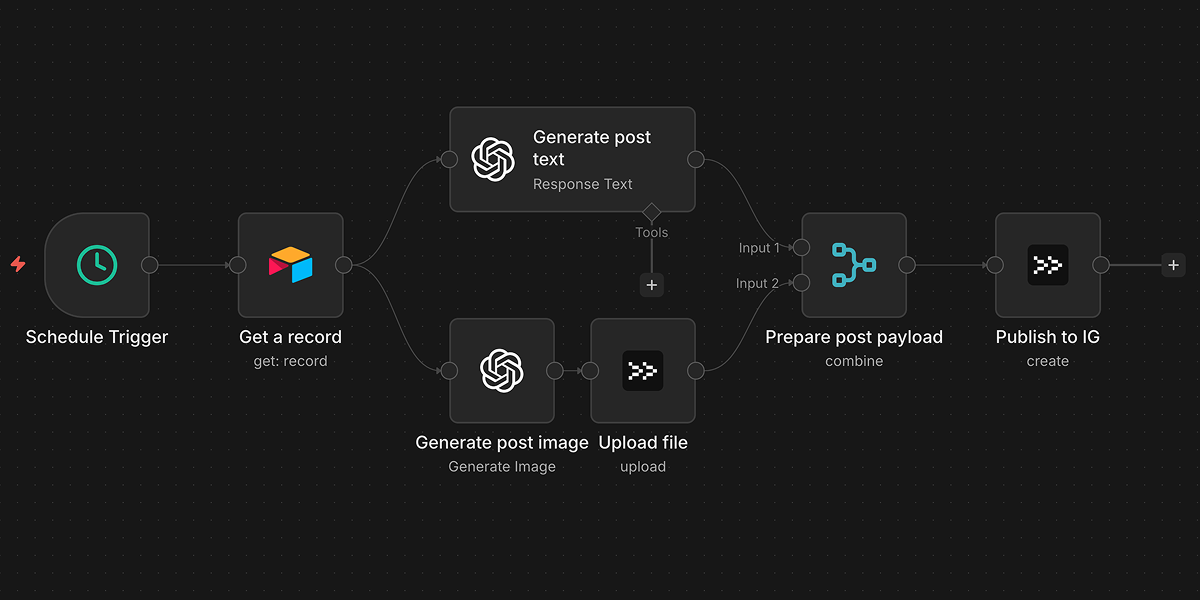
Why Postproxy integrations came first, and why publishing only makes sense inside workflows.
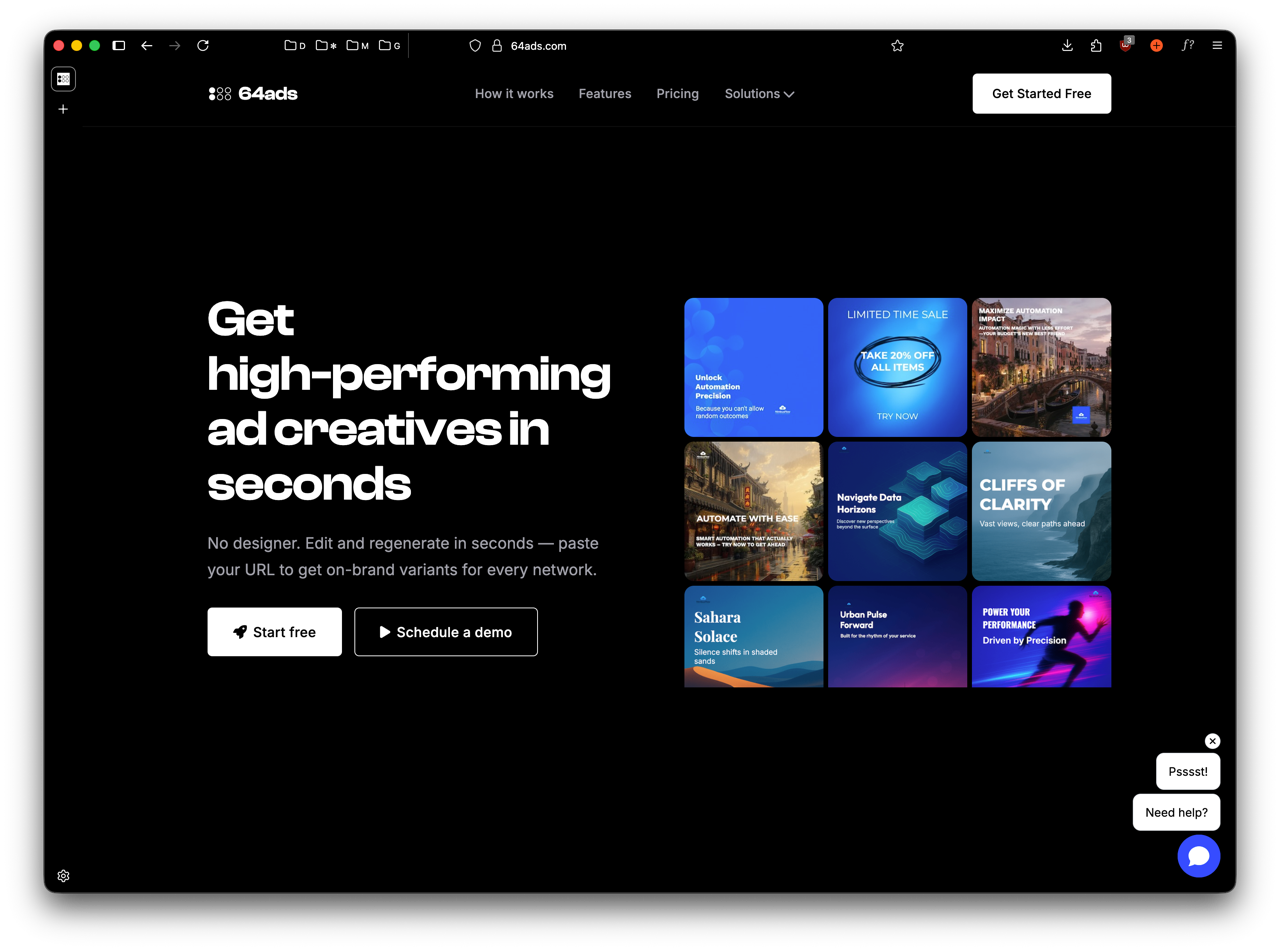
How building 64ads taught us that social media publishing is an operational problem — and why Postproxy exists.